Honoring the Taíno Legacy
This page is dedicated to teaching the history of the Taíno, the Indigenous people of Boriquén, also known as Puerto Rico. It's part of my own journey of educating myself in their Indigenous teachings and the teachings of other brothers and sisters of Indigenous cultures, keeping my ancestors alive by embodying them through that knowledge and spirituality.
Who were the Taíno Indigenous people?
Long before Europeans ever arrived, the Taíno were the Arawakan-speaking people of the Greater Antilles: Puerto Rico (Boriquén), Cuba, Haiti and the Dominican Republic, and Jamaica, with close relatives across the Bahamas and the Lesser Antilles. Every island in the region lived similar ways in life: trade, language, and ceremony moved freely by canoe between them, and no single island practiced this culture in isolation.
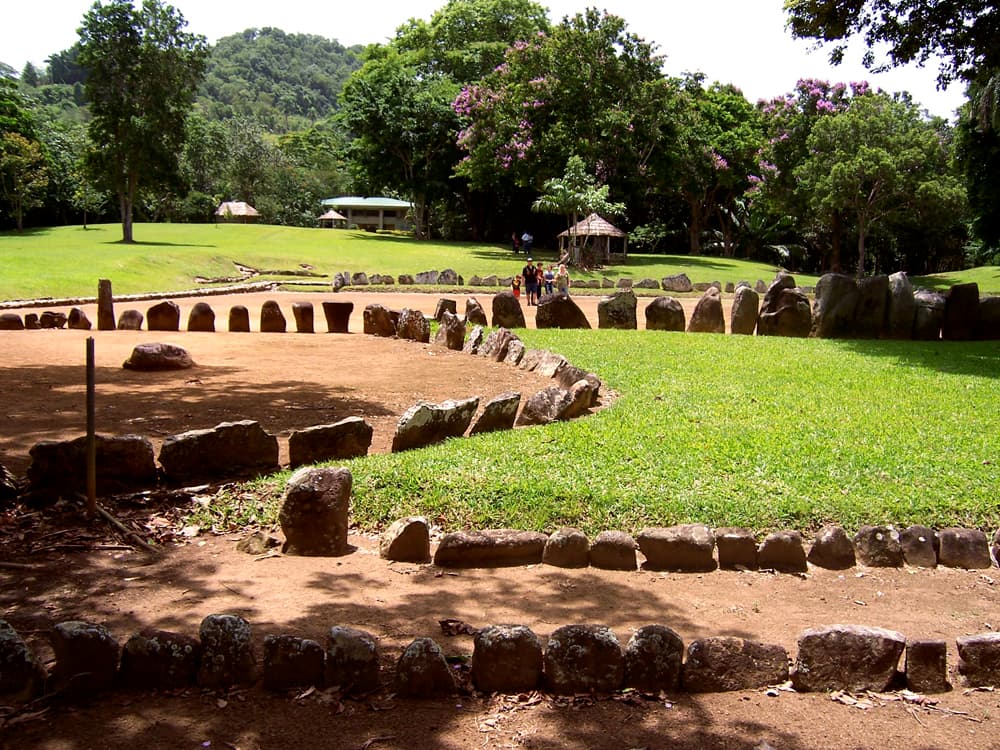
Taíno communities, or yucayeques, were organized around a cacique (chief), a role that could be held by a man or a woman, since caciques like Higuanamá ruled just as caciques who were men did. Gender roles weren't as rigid as what we see today: women could be warriors, and men could weave. Communities were built around a central batey, a ceremonial plaza used for ball games and communal gatherings. They were skilled farmers, cultivating yuca, corn, beans, and squash in raised earth mounds called conucos, and equally skilled navigators, fishers, and canoe-builders who moved easily across open water between islands.
Higuanamá was a great leader. She was the cacica of Higüey, in what is now the eastern Dominican Republic, ruling into old age while helping drive the First War of Higüey in 1502, a real armed stand against the Spanish. Bartolomé de las Casas, the Spanish priest who documented the conquest firsthand, wrote of her directly, describing her as the "queen" of Higüey and recording that the Spanish hanged her after that war. Across the Caribbean, the Taíno people did not give up: resistance continued island to island for years, and descendant-led research today continues to challenge the old narrative that they simply disappeared. Women could lead, just as men could, until colonization forced rigid gender roles onto a people who had never lived by them.
Living in Harmony With Nature
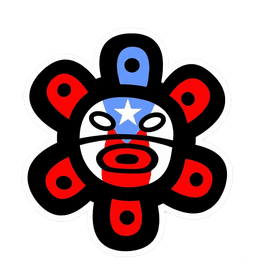
El Sol de Jayuya
The Sol de Jayuya is a Taíno sun petroglyph connected to Yúcahu, the supreme god of life, strength, health, fertility, and the natural cycles of the world.
To the Taíno, nature was not a resource to be used up; it was alive with spirit and treated as kin. Rocks, rivers, caves, and trees could all hold a zemí, and origin stories held that people themselves emerged from a sacred cave called Cacibajagua. Rivers and springs were closely tied to Atabey, goddess of fresh water and fertility, which meant caring for water and land was, at the same time, an act of devotion.
Their farming reflected that same respect. Rather than clearing land for a single crop, they grew cassava, corn, beans, squash, sweet potato, and peppers together in conucos, raised mounds of soil that limited erosion and let the land replenish itself season after season. Cassava (yuca) was the staple, carefully processed to remove its natural toxins and baked into casabe bread that could be stored for months, a technique that still shapes Puerto Rican cooking today.
The sea and rivers provided just as much as the land. Taíno fishers used nets, bone hooks, spears, and even trained remora fish, tied to a line, released to latch onto a passing sea turtle, then reeled back in, a technique unique to the Caribbean. Small game like the hutía, a native rodent, and iguana rounded out a diet built almost entirely around what the land and sea already offered, with little need to hunt large animals the islands never had. Nothing from an animal went to waste: bone, shell, and teeth were carved into tools, jewelry, and ornaments.
That reverence is baked into English itself: hurricane comes from Juracán, the Taíno god of chaos and storms; barbecue from barbacoa, a raised wooden grilling frame; and canoe and hammock from canoa and hamaca. Even the words we still use carry their relationship to nature forward.
Spirituality, Ritual, and Daily Life
Taíno spirituality centered on zemís (also spelled cemís), spirits and deities represented through carved figures of wood, stone, cotton, or bone. Chief among them were Yúcahu, god of cassava, fertility, and the sea, and his mother Atabey, goddess of fresh water, fertility, and the moon. Behiques, spiritual leaders and healers, bridged the physical and spirit worlds through the cohoba ceremony: a sacred snuff, made from ground seeds and inhaled through a forked tube, that brought on a trance state. In that state, a behique was believed to speak directly with the zemís, speak to the dead, diagnose illness, and sense things beyond ordinary perception, an intuitive gift treated as a genuine spiritual skill, refined over years of training, not performance.
That same worldview extended beyond death. The Taíno believed in an afterlife realm called Coaybay, where the spirits of the dead, called opías, were said to emerge at night, sometimes taking the form of bats or seeking out wild guava; nature and spirit remained intertwined, even beyond life itself.
Community life revolved around the areyto: a gathering of song, dance, and oral history used to honor ancestors, deities, and important events, passing knowledge down without a written language. Caciques were responsible for the wellbeing of their people, harvests and resources were shared communally, and elders were cared for as a matter of course. Hospitality toward outsiders was foundational, the same openness the Taíno extended to the first Spanish ships that arrived on their shores.
Colonization and Its Cost
Spanish colonization began in 1493, when Columbus's second voyage reached Boriquén. The cacique Agüeybaná initially formed a guatiao, a ceremonial bond of friendship, with the Spanish, believing coexistence was possible. That hospitality was answered with the encomienda system: forced labor extracting gold and working the land under brutal conditions, enforced with violence whenever the Taíno resisted.
Disease proved even more devastating than the sword. Smallpox and other illnesses carried from Europe, to which the Taíno had no immunity, killed enormous numbers of people within a single generation, a loss that forced labor and violence alone could never have inflicted.
By 1511, the cacique Urayoán tested whether the Spanish were even mortal, having his men hold the soldier Diego Salcedo underwater until he drowned. Convinced now that their colonizers could be killed, caciques across the island, led by Agüeybaná II, called El Bravo, organized a coordinated rebellion, burning Spanish settlements and fighting openly for their land and their freedom. The Spanish met the uprising with steel weapons, firearms, and war dogs, and Agüeybaná II was killed in the fighting, but the accounts of how decisively the rebellion was "defeated" come from Spanish reports alone. What wore resistance down in the years after was less any single battle than disease continuing to spread through the island. It was the last large-scale organized Taíno resistance on the island, though smaller acts of resistance and flight into the mountainous interior continued for years afterward.
By the mid-1500s, the combined toll of violence, disease, and forced labor had reduced the Taíno population to a fraction of what it had once been. With native labor decimated, Spanish colonizers began forcibly bringing enslaved West Africans to the island as early as 1513, a practice that continued for centuries until slavery was finally abolished in Puerto Rico in 1873. Over the generations that followed, Taíno survivors and African survivors, alongside Spanish colonizers, intermarried and blended into one people, what is often called Puerto Rico's tres raíces, or three roots. It's why most Puerto Ricans today carry some combination of Indigenous, Spanish, and African ancestry, visible in DNA studies and carried forward in language, food, and music: Bomba, the drum-driven music and dance African communities created on the island, and dishes like mofongo and sofrito, which carry West African cooking traditions forward alongside Taíno and Spanish ingredients. The Taíno did not vanish. They became part of everyone who came after them.
Puerto Rico Today
That history of colonization did not end in the 1500s; it has simply changed shape. Puerto Rico remains an unincorporated U.S. territory. Its residents are U.S. citizens, but cannot vote for President while living on the island, and are represented in Congress only by a single Resident Commissioner with no vote on the House floor. Final legal and financial authority over the island rests with the U.S. Congress rather than with Puerto Ricans themselves, reinforced in 2016, when Congress installed an unelected federal board with the power to override Puerto Rico's own elected government on budget and spending decisions. The island has never been granted full autonomy or a binding say in its own political future.
Layered on top of that, in recent years tax incentive programs have drawn wealthy outside investors to the island, driving up real estate prices and displacing local families from land their families have lived on for generations. It is, in many ways, colonization resuming under a different name.
Hurricane Maria in 2017 made this precarity visible to the rest of the world, but it didn't create it; it exposed it. Nearly a decade later, Puerto Rico is still living with the aftermath: a privatized power grid prone to prolonged, island-wide blackouts, and water access that remains inconsistent, especially in rural and mountain communities. Taíno history is still largely absent from formal education on the island and the mainland alike, leaving generations of Puerto Ricans to piece their own heritage back together outside the classroom. Despite all of this, Taíno descendants and cultural advocates continue to fight for recognition, for their land, and for their history to be told accurately and taught widely.
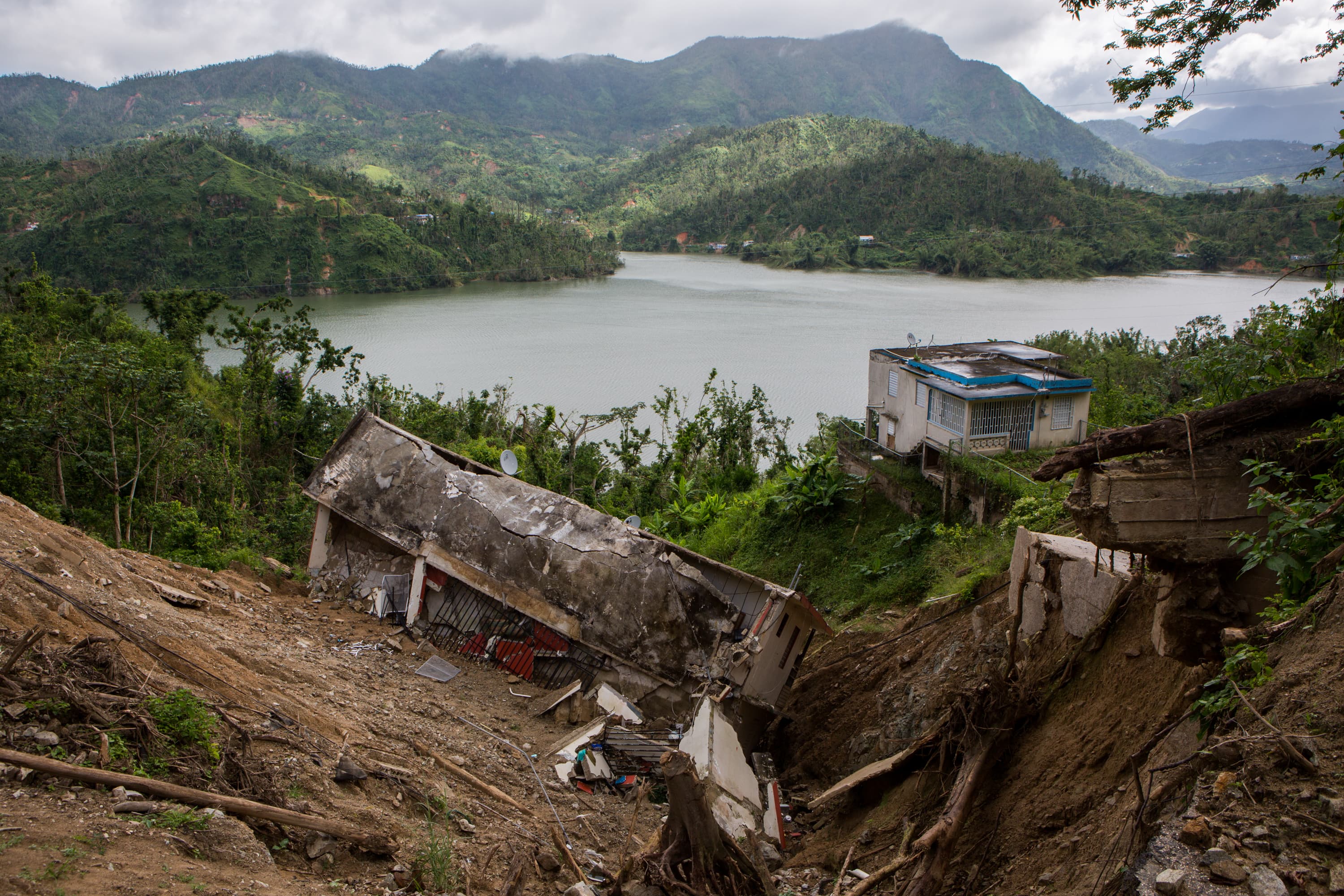
Utuado, Puerto Rico, December 15, 2017: a home destroyed by a landslide during Hurricane Maria.
FEMA Photo by Andrea Booher/Released
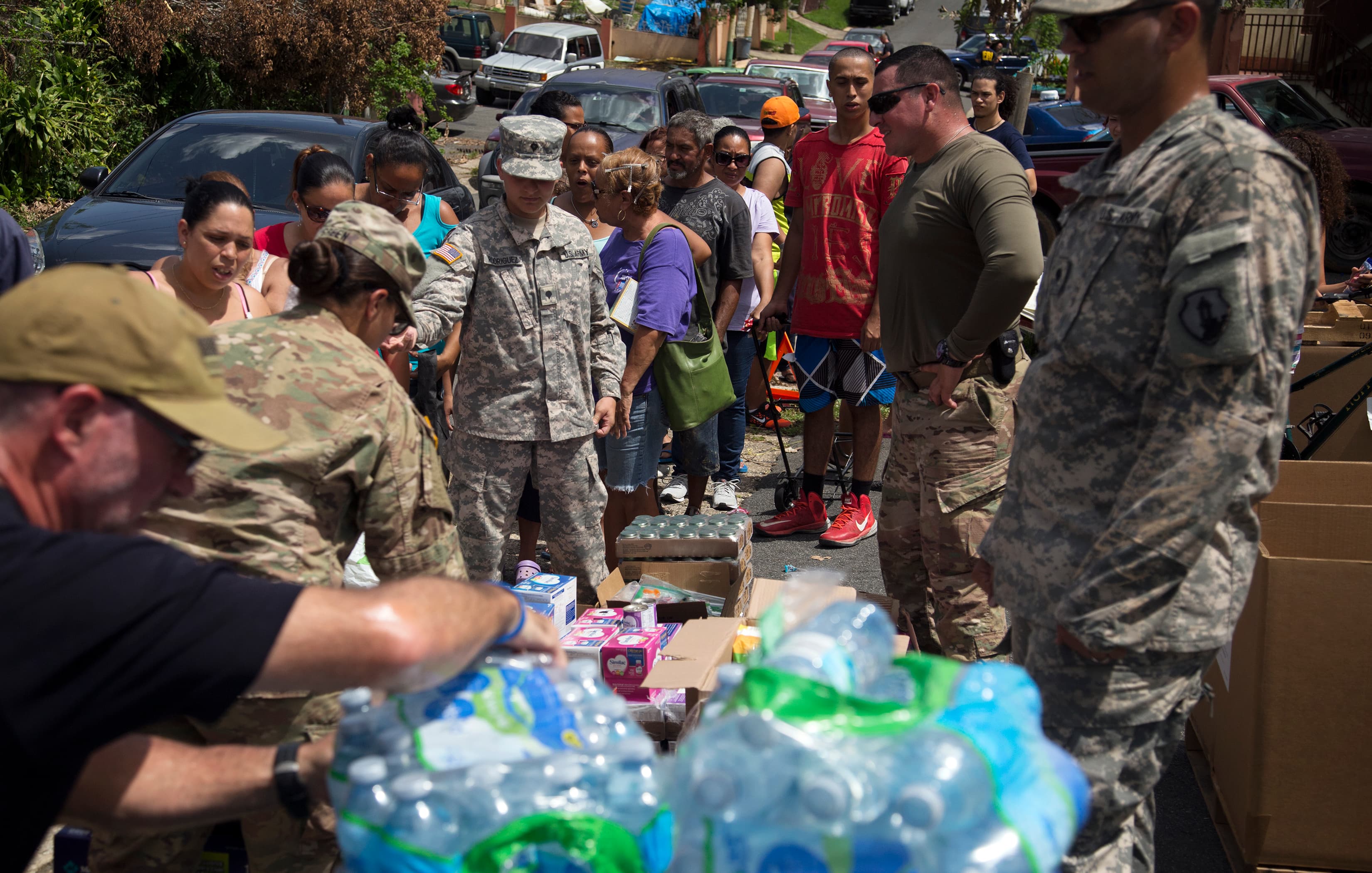
Toa Baja, Puerto Rico, October 8, 2017: U.S. Army reservists assist in the distribution of food, water, and baby products to survivors in Barrio San José.
FEMA Photo by Yuisa Rios/Released
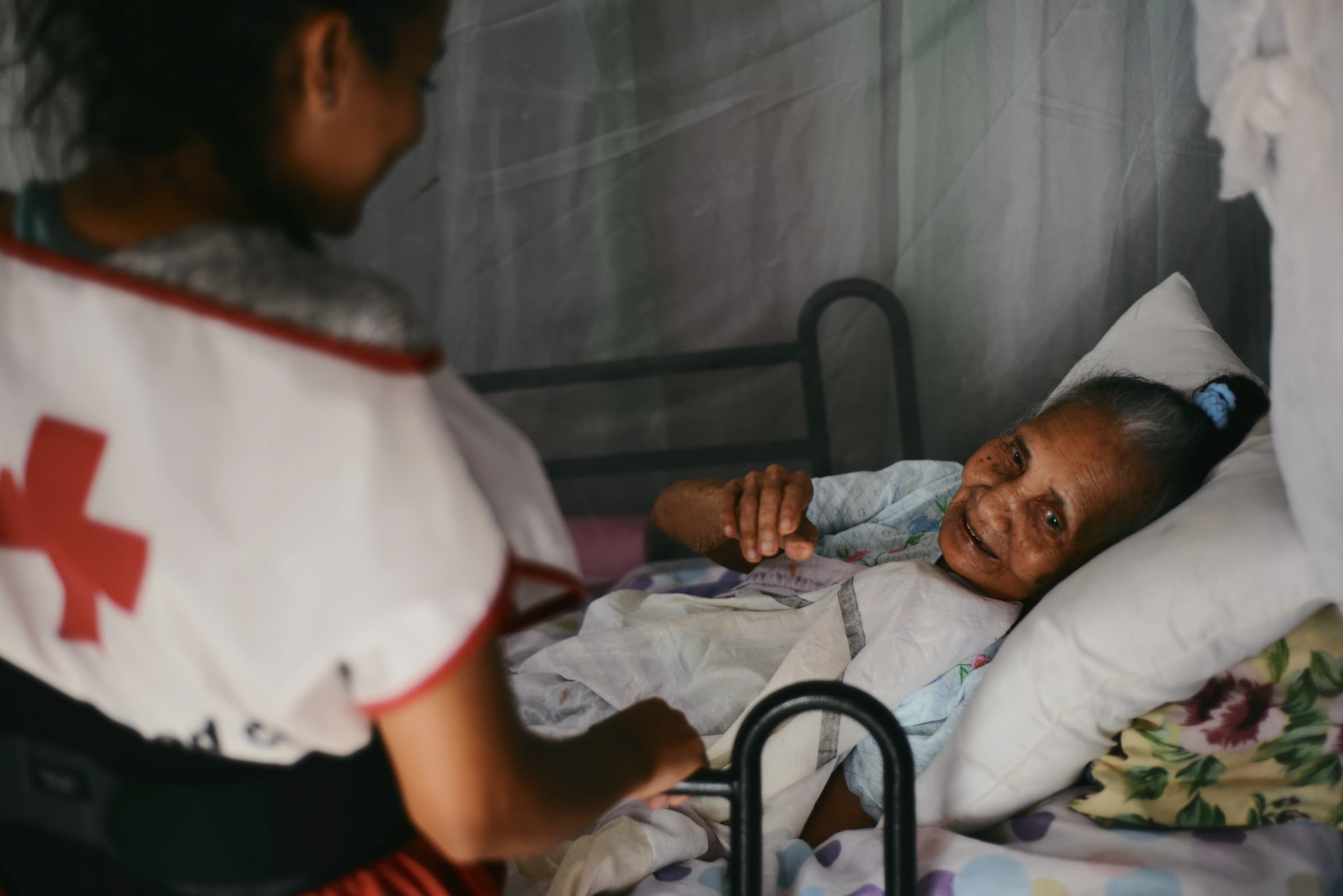
Maunabo, Puerto Rico, November 14, 2017: a Red Cross advocate visits bedridden survivor Vivian Amaro. FEMA and the American Red Cross distributed food and water to survivors of Hurricane Maria.
FEMA Photo by Eliud Echevarria/Released
Why This Matters to Me
Learning about my Taíno ancestry has become an expansive journey, one of relearning what was never taught, and holding onto as many traditions as I can find along the way. Green Lotus Sanctuary is one part of that journey: a way to keep my ancestors, and their way of life, alive. It also matters to me to raise awareness of what Puerto Rico is still living through today, because honoring this legacy means caring about its people now, not just their history.
Faces and Places of the Taíno
A visual record of the Taíno people and Puerto Rico, the culture and land that shape the spirit of Green Lotus Sanctuary.
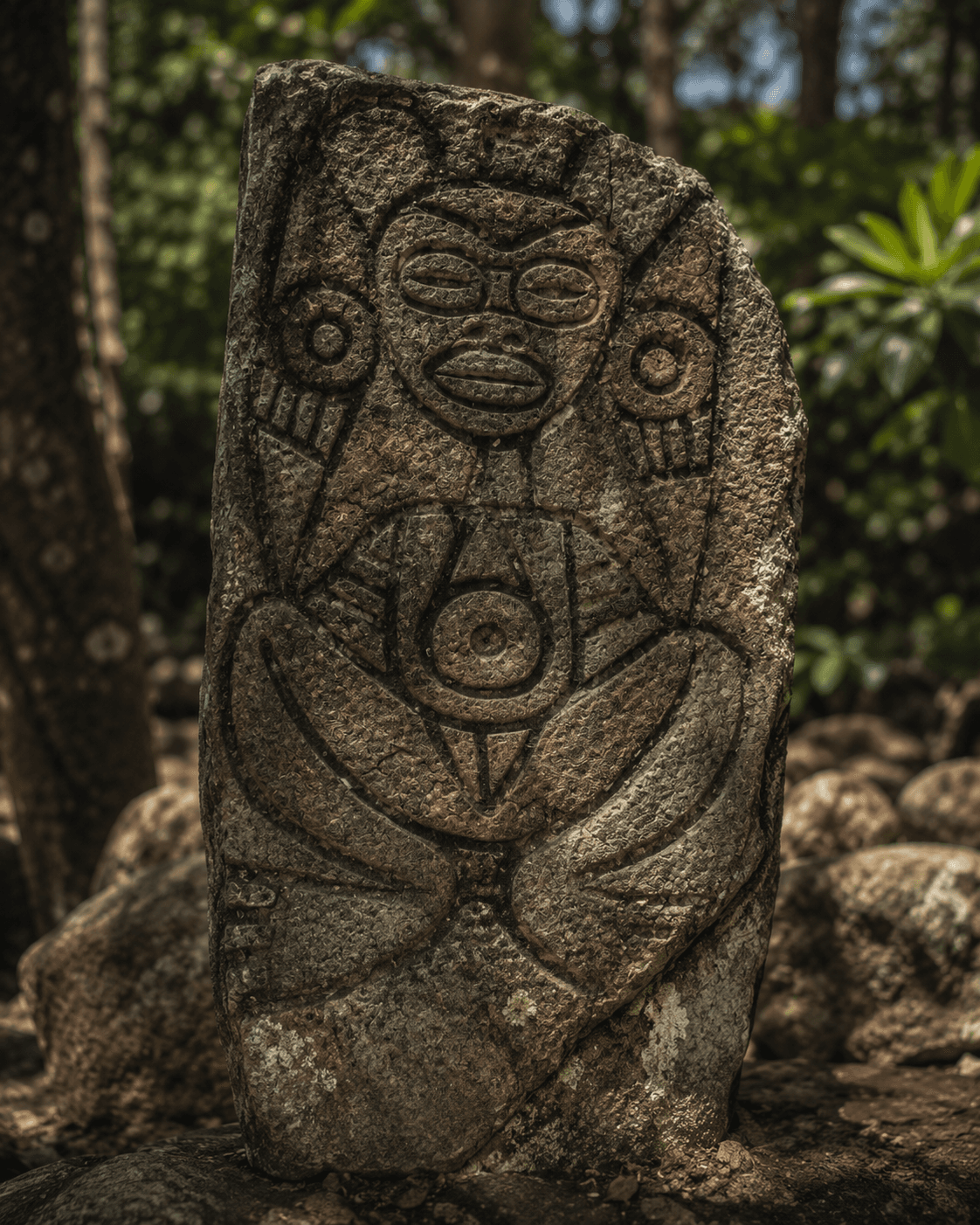
Atabey, Mother of the Waters
A carved cemí depicting Atabey, the Taíno goddess of fertility, fresh water, and the moon, one of the most revered deities in Taíno spirituality.
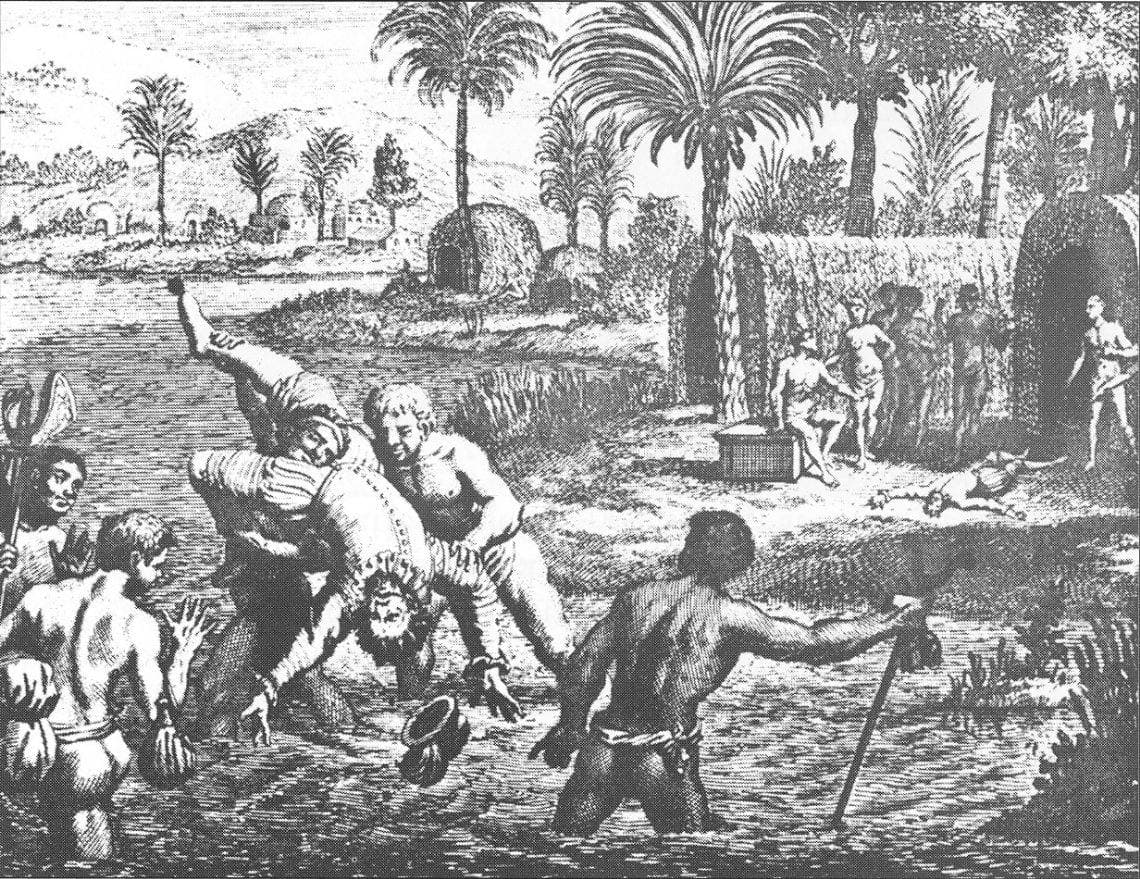
The Taíno Rebellion of 1511
Conquistador Diego Salcedo being drowned during the Taíno rebellion in Puerto Rico, 1511.
Public domain, via Wikimedia Commons
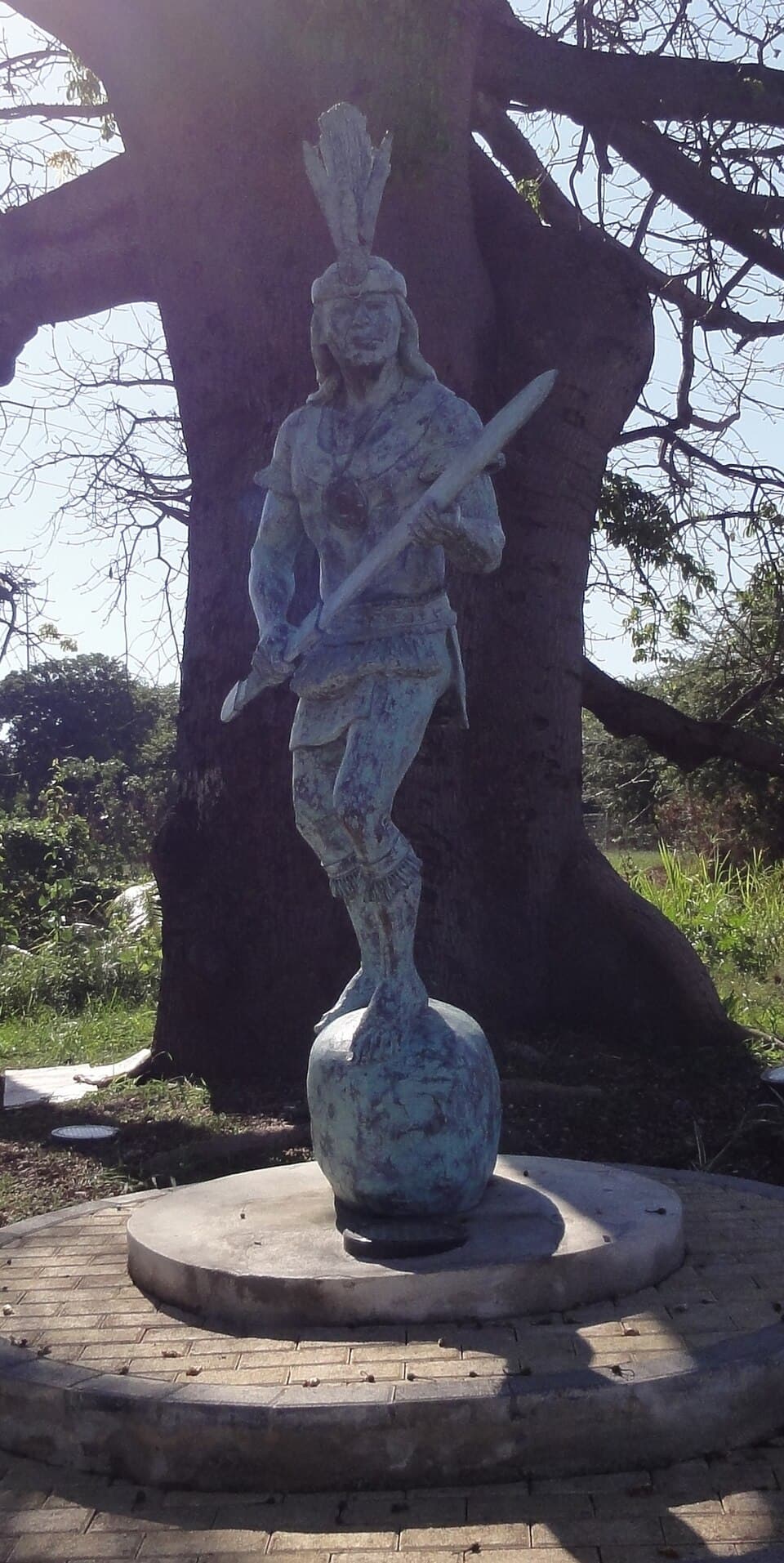
Agüeybaná II, El Bravo
Statue of Agüeybaná II, El Bravo, at the Monument to Agüeybaná II park, at the intersection of the Ponce Bypass and Ave. Hostos, Playa neighborhood, Ponce, Puerto Rico.
Tito Caraballo, CC BY-SA 2.0, via Wikimedia Commons
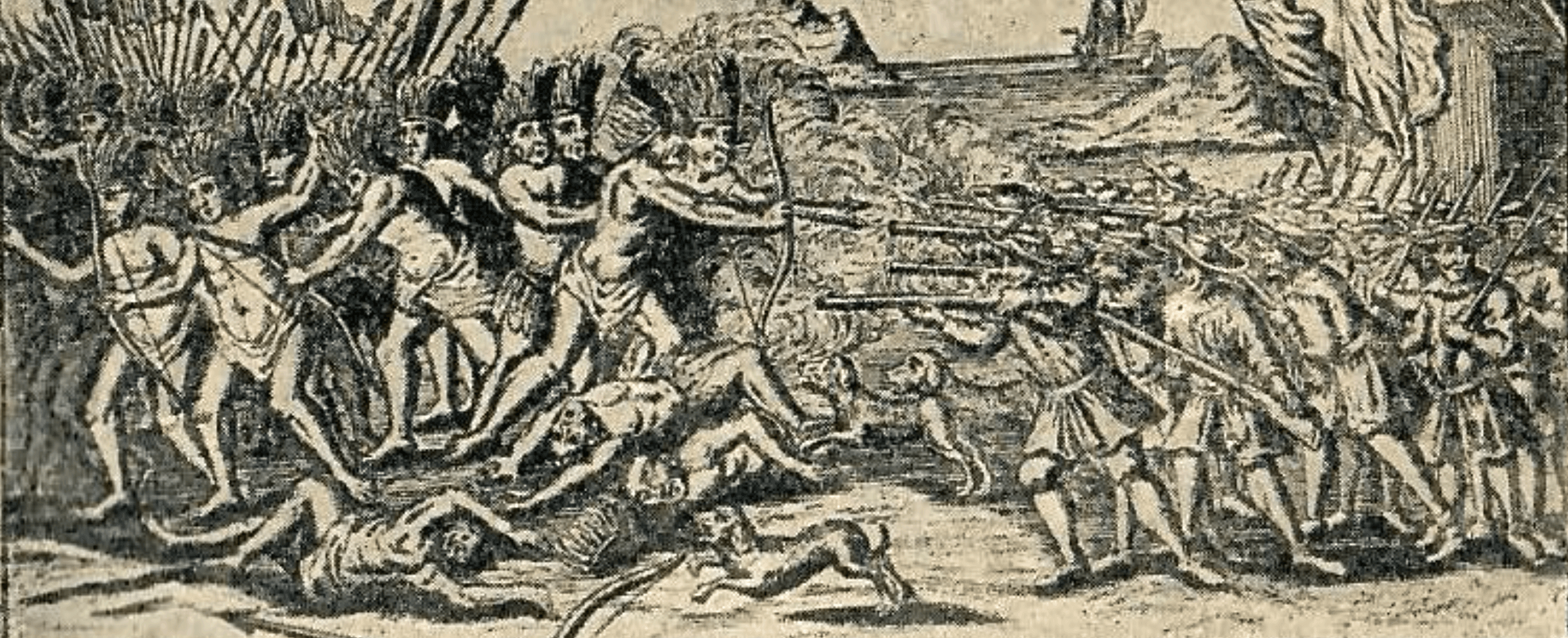
The Taíno Rebellion, Illustrated
Taíno rebellion in 1511 in Boriquén, on the island of Puerto Rico. Illustration from Historia general de los hechos de los castellanos en las Islas y Tierra Firme del mar Océano que llaman Indias Occidentales by Antonio de Herrera y Tordesillas, 1601.
Public domain, via Wikimedia Commons
Caguana Ceremonial Ball Courts
The Caguana Ceremonial Ball Courts Site, in Caguana, Utuado, Puerto Rico, is one of the largest and most important Pre-Columbian sites in the West Indies. Known for its well-preserved ceremonial ball courts and petroglyph-carved monoliths, the in-situ courts are estimated to be over 700 years old, built by the Taíno around 1270 AD.
Jbermudez at English Wikipedia, transferred by Werewombat, CC BY 2.5, via Wikimedia Commons
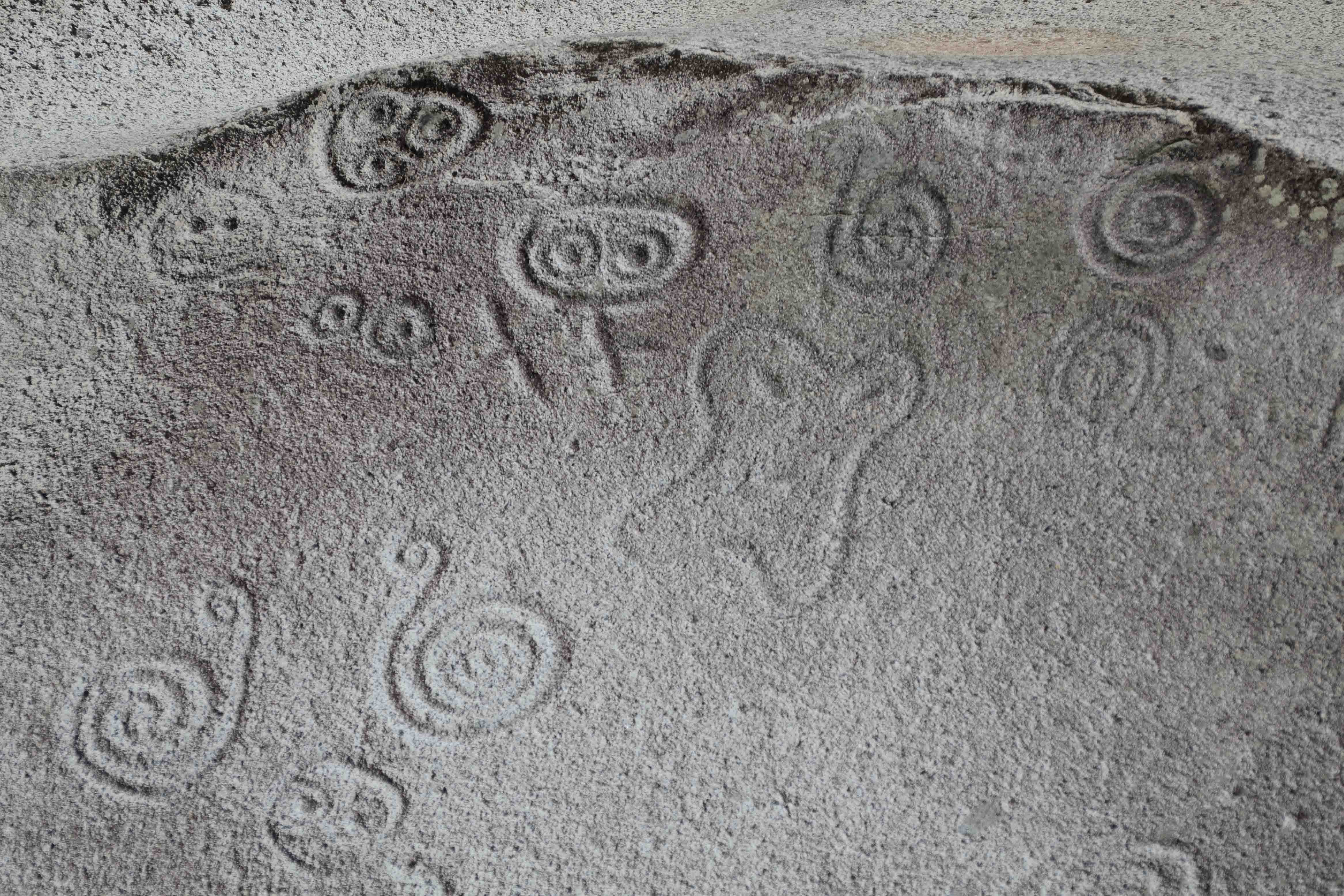
Taíno Petroglyphs, Río Saliente
Taíno petroglyphs at Río Saliente, Jayuya, Puerto Rico. Petroglyphs are symbols and figures the Taíno carved directly into rock, often faces, spirits, or cemís, believed to mark sacred sites and serve as a spiritual connection between the physical and ancestral worlds.
Geoff Gallice, CC BY 2.0, via Wikimedia Commons