Sacred Breath
Work Method
What are the pillars to the Sacred Breath Work Method?
Emotional Release
By tapping into the body's cellular memory, this practice can help gently release the energy of stored trauma, allowing it to be processed and move out of the body rather than staying repressed. This may help calm a nervous system stuck in fight, flight, or freeze, easing traumatic wounds and creating space for lasting peace. Breathwork is increasingly recognized as a powerful, evidence-based tool in both wellness and is starting to become recognized in the mental health field.
Expanded Awareness
This practice guides you into deep meditative states where the rational, analytical mind quiets. As you regulate your breath, you shift through alpha, theta, and even gamma brainwave states — patterns linked to deep meditation and peak consciousness. In this space, you can find support in greater mental clarity, "aha" moments of insight, and even access to the super subconscious mind.
Physical Restoration
Conscious connected breath oxygenates your blood, supporting circulation and easing chronic tension. This shifts your nervous system from sympathetic stress into parasympathetic calm — activating your body's natural ability to heal.
What Makes Sacred Breathwork Different?
The Sacred Breathwork Method was created by a founder who set out to build a gentler alternative to breathwork styles that weren't providing somatic safety for participants. Many popular styles lead with mouth breathing, which activates the sympathetic nervous system, the body's fight-or-flight response, to drive an intense, often overwhelming experience. Her approach instead engages the parasympathetic nervous system, the body's calming, restorative side, so release can happen from a place of safety rather than stress, while still having the profound results people seek from breathwork.
At the center of this method is a simple but important choice, breathing in through the nose rather than the mouth, using a conscious connected circular breath pattern. This keeps the body's calming nervous system engaged even during an active, connected breath practice, so emotional release and exploration of the subconscious mind can happen without tipping into overwhelm.
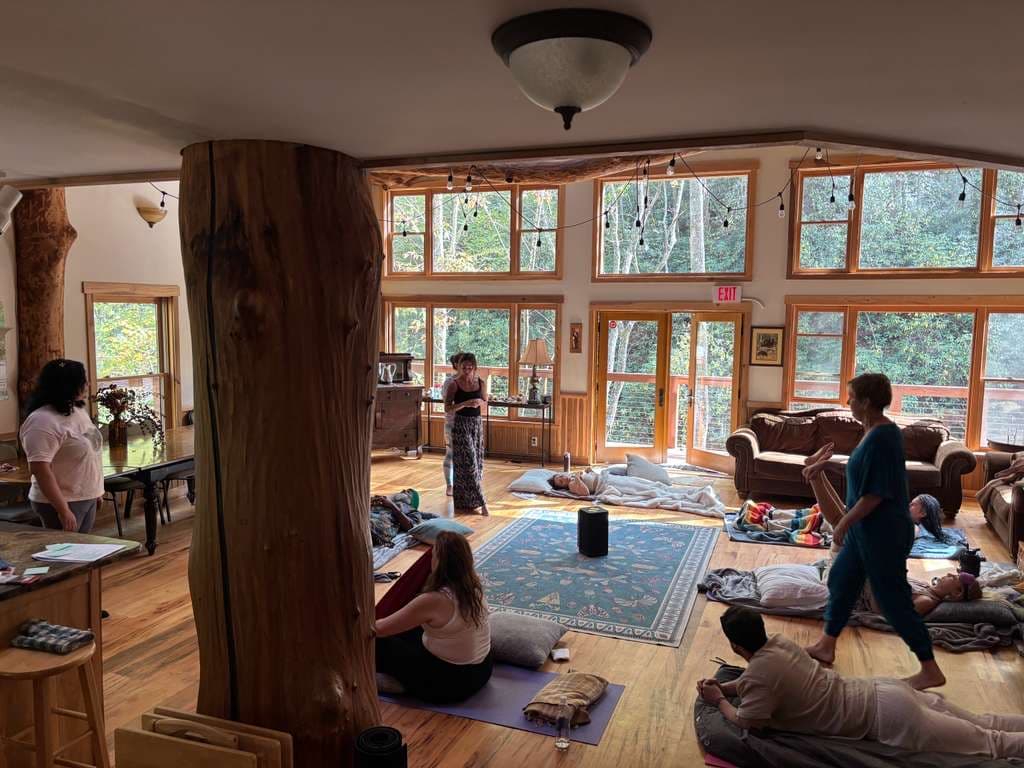
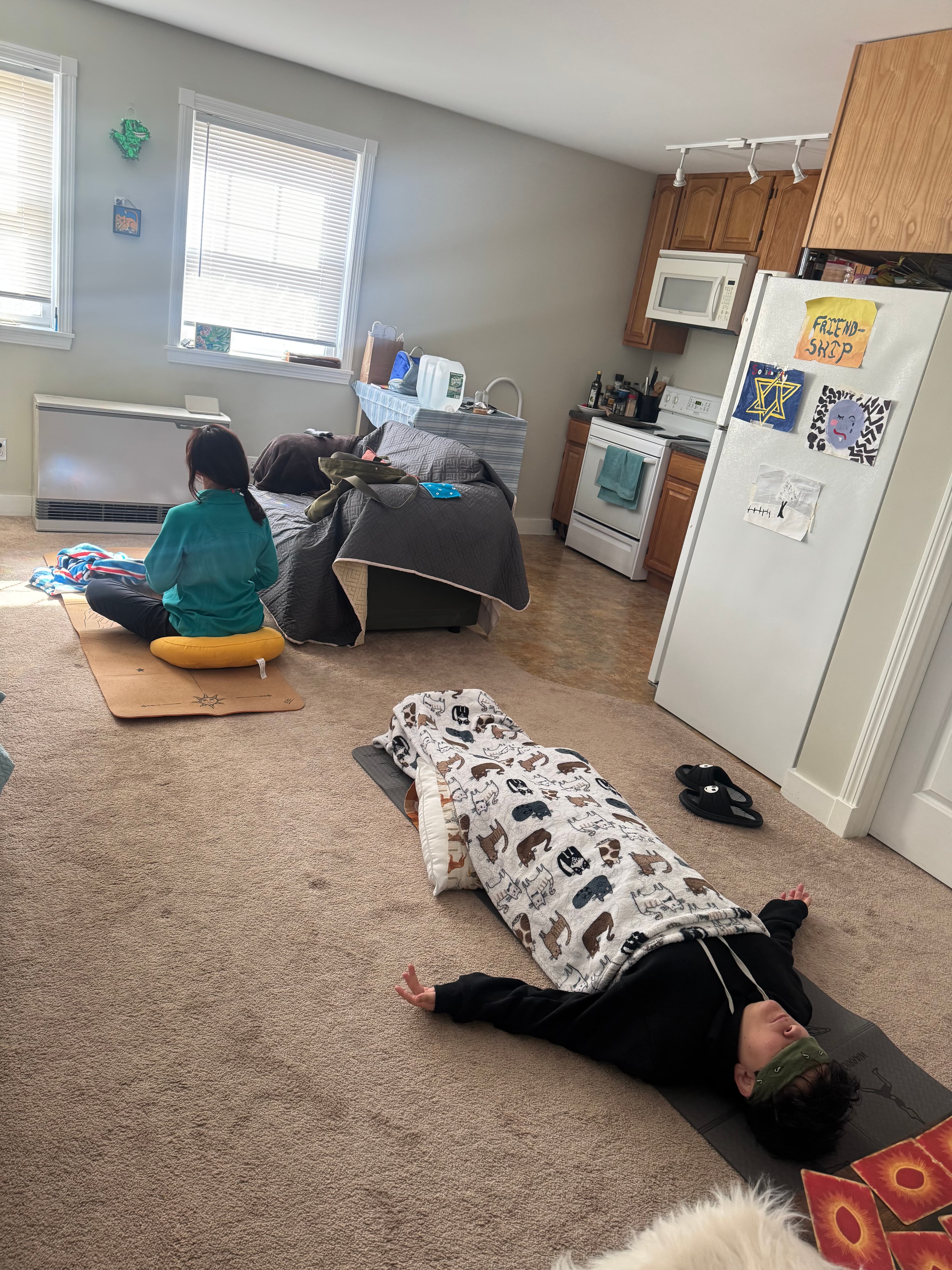
This difference carries all the way through to how a session ends. Rather than rushing participants back to their day the moment the breathing stops, we hold space for a gentle waking-up period, time to journal, and a reflection and check-in before anyone leaves. There's no immediate "get up and go," instead, the integration is built into the session itself.
At Green Lotus Sanctuary, we bring this same philosophy into every Sacred Breathwork session:
- An intention-setting practice to open the space and ground the session
- Nasal, conscious connected breathing designed to support nervous system safety
- Somatic movement, sound, and a held ceremonial container to support the body's natural release
- Gentle waking, journaling, and reflection time built into the close of every session
The Science of Lost Breathing
Ancient practices seemed to understand something modern science is only now starting to explore: how we breathe may play a real role in our health, our nervous system, and how we feel day to day.
The Sacred Breathwork Method invites the body toward a moderate, rhythmic breathing pattern, using nasal breathing and steady diaphragmatic movement. Researchers have found interesting connections between these patterns and healthy nervous system regulation. For shorter sessions with Green Lotus Sanctuary and for children, this rhythm is gently modified and combined with meditation to suit the practice and help children start to learn nervous system regulation.
In his bestselling book Breath: The New Science of a Lost Art, journalist James Nestor shares a personal experiment: for ten days, he and a research partner breathed only through their mouths. They noticed higher stress, elevated blood pressure, and restless sleep, changes that eased once they returned to breathing through their nose. It's one person's story, not a clinical guarantee, but it's a compelling illustration of how much our breath may shape our wellbeing.4
Conscious connected breathing is thought to work in part by engaging both sides of the nervous system, the alert, activating side and the calming, restorative side. Some researchers and breathwork practitioners believe that the more active, connected breath may first awaken the body's stress response, followed by a release that can invite a deeper sense of calm. While researchers are still exploring how this process works, one 2024 study of healthy adults observed changes in brain activity, mood, and subjective state of consciousness after a session of conscious connected breathing.1
Early research is also starting to explore how this kind of breathwork might support people managing everyday anxiety. One 2025 study found participants reported less anxiety after several weeks of practice, compared to a group that didn't.2 Within the steady rhythm of the breath, the body has an opportunity to slow down, soften, and reconnect. Research on slow-paced breathing suggests that this practice may support a calmer response to stress and a greater sense of balance.3
If this resonates with you, we'd love to welcome you for a private Sacred Breathwork Method session at Green Lotus Sanctuary. Come experience it for yourself in a space held just for you.
If you're interested in a program for your child, learn more about our Breathwork & Meditation Program for Kids. It blends outdoor play, games, and gentle exploration of breath, senses, and emotion.
Curious to explore this further? James Nestor's Breath: The New Science of a Lost Art(2020) is a wonderful, approachable read on the history and science of breath, we'd love for you to check it out.
This section shares research and stories we find inspiring, it isn't medical advice. Certain styles of breathwork aren't the right fit for everyone, so please reach out to me directly to talk through whether this practice is a good match for you, and be sure to check with your doctor as well.
References
- 1. Bahi, C., Irrmischer, M., Franken, K., Fejer, G., Schlenker, A., Deijen, J. B., & Engelbregt, H. (2024). Effects of conscious connected breathing on cortical brain activity, mood and state of consciousness in healthy adults. Current Psychology, 43(12), 10578–10589.
- 2. Blake, R. L. (2025). Efficacy of online conscious connected breathwork in reducing symptoms of anxiety: A randomized waitlist control trial. Journal of Affective Disorders. Advance online publication.
- 3. Chaitanya, S., Datta, A., Bhandari, B., & Sharma, V. K. (2022). Effect of resonance breathing on heart rate variability and cognitive functions in young adults: A randomised controlled study. Cureus, 14(2), e22187.
- 4. Nestor, J. (2020). Breath: The new science of a lost art. Riverhead Books.
The Sacred Nature of Sacred Breath Work Method
Mental & Emotional Clarity
- ✓
Release Limiting Beliefs: Access and dissolve deeply held patterns and negative self-talk rooted in subconscious memory. Most importantly find the root cause of these issues to be met and held for resolution.
- ✓
Reduce Stress and Anxiety: Directly engage the parasympathetic nervous system to induce profound states of calm and relaxation.
- ✓
Improve Sleep Quality: Re-regulate your nervous system, leading to deeper, more restorative rest and recovery.
Spiritual & Energetic Connection
- ✓
Connect with Higher Self: Forge a direct, intuitive link to your inner wisdom, purpose, and guidance system.
- ✓
Activate Kundalini/Life Force: Stimulate and circulate vital energy throughout the body, enhancing creativity and intuition.
- ✓
Integrate Shadow Work: Provide a safe container to observe and integrate suppressed aspects of the self with compassion.
Ready to Experience the Benefits?
The first step to change is to do something different.